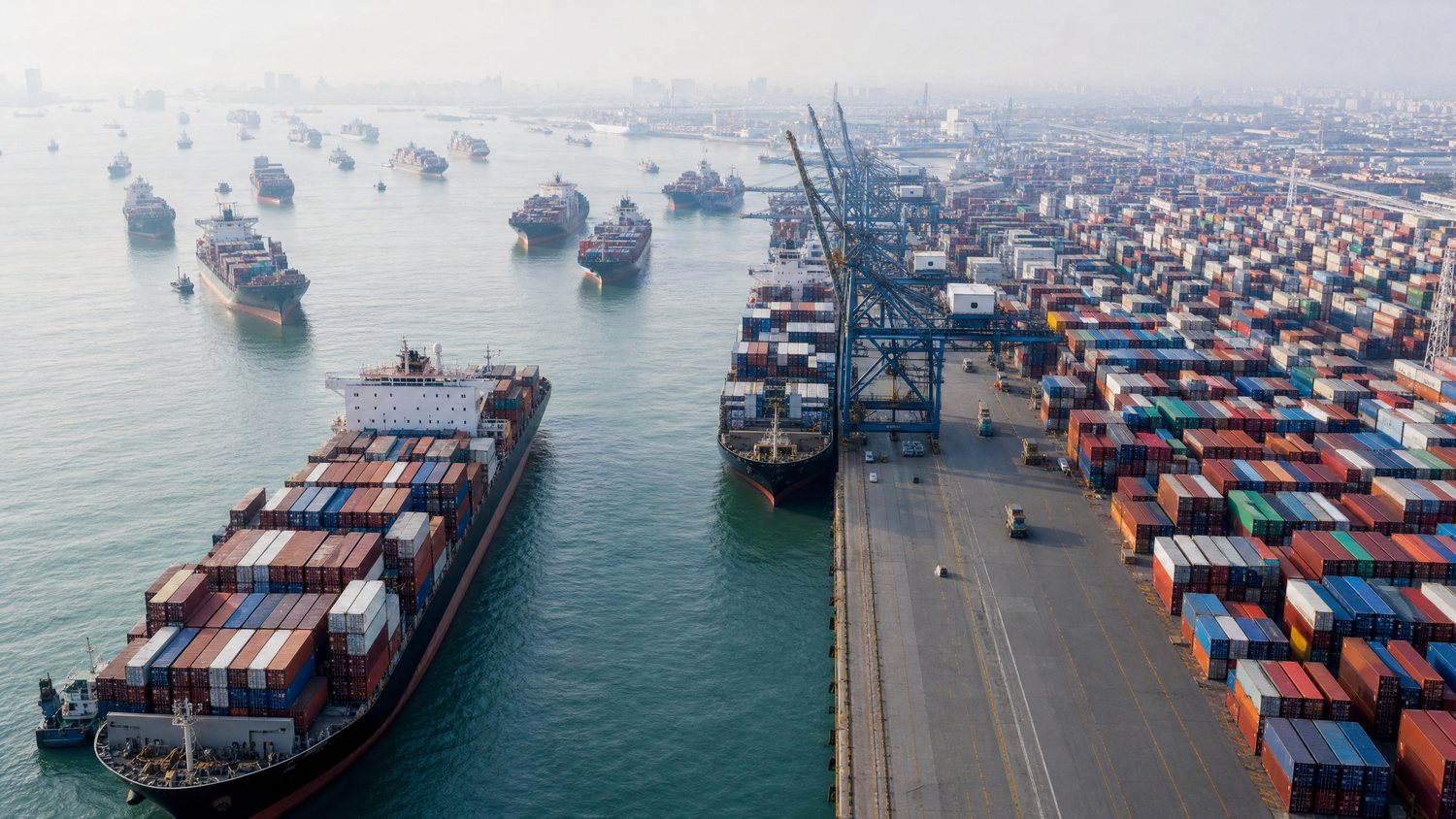
Two years ago, a carrier would accept a booking a week before a container was ready to load. In 2026, the same carriers are asking for two to three weeks' notice — and a distributor still booking on the old timeline is finding sailings full before they even try.
Why the window stretched
Container yards running near capacity mean space fills further in advance, and carriers use longer notification windows to plan vessel loading more efficiently on their end. The result shifts real planning risk onto the shipper: booking late doesn't just risk a higher rate, it risks no space at all on the sailing a shipment needed.
The 21-day rule, in practice
If cargo isn't booked at least three weeks before it's ready at the factory floor, the realistic outcome is a delayed sailing — not a delayed booking confirmation, an entirely missed vessel, pushed to whatever space opens up next. For a distributor working backward from a customer delivery date, that three-week buffer has to be built into the production schedule itself, not treated as a shipping-department problem to solve later.
What changes in how we plan
We now book provisional vessel space against a projected production completion date, before the goods are finished, and adjust as the actual completion date firms up. That forward booking costs a small deposit in some cases — cheap insurance against a shipment sitting at origin for two extra weeks waiting for the next available sailing.
Port congestion isn't loosening in 2026. The distributors managing it well are the ones who moved their booking timeline forward by two weeks and stopped treating the old one-week window as normal.