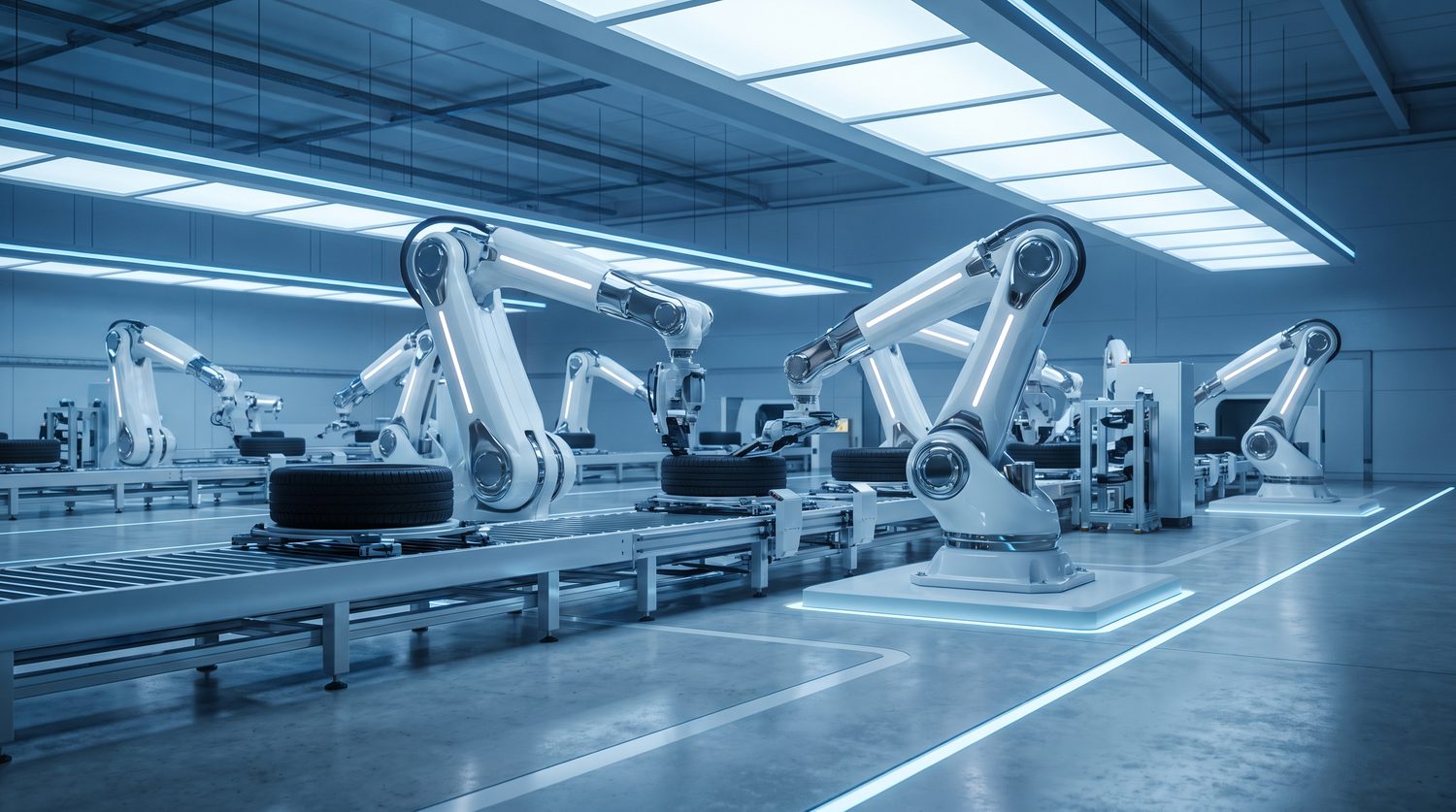
Tire manufacturing in mainland China has changed more in the last decade than in the previous three combined. For wholesale buyers, understanding where the factory floor is headed matters as much as today's price sheet.
Automation is raising the quality floor
Robotic tire-building cells and automated uniformity testing are no longer limited to premium production lines — mid-tier factories are adopting them to reduce batch-to-batch variance. The practical effect for importers: fewer defects, and inspection reports that increasingly catch nothing at all.
Material science is extending tire life
New rubber compounds and reinforced belt structures are improving both wear life and rolling resistance simultaneously — historically a trade-off. Buyers sourcing for fleets and commercial applications are seeing real total-cost-of-ownership improvements, not just marketing claims.

Traceability is becoming standard
Digital batch tracking — from raw rubber to finished tire — is increasingly built into factory systems, not bolted on for a single audit. This is quietly becoming the norm that separates factories worth long-term partnership from those chasing a single order.
What this means for buyers
The factories upgrading their automation, materials and traceability are also, generally, the ones easiest to hold accountable — because the data already exists. Sourcing partners who track which factories are genuinely upgrading (versus advertising) save buyers from finding out the difference the hard way.